
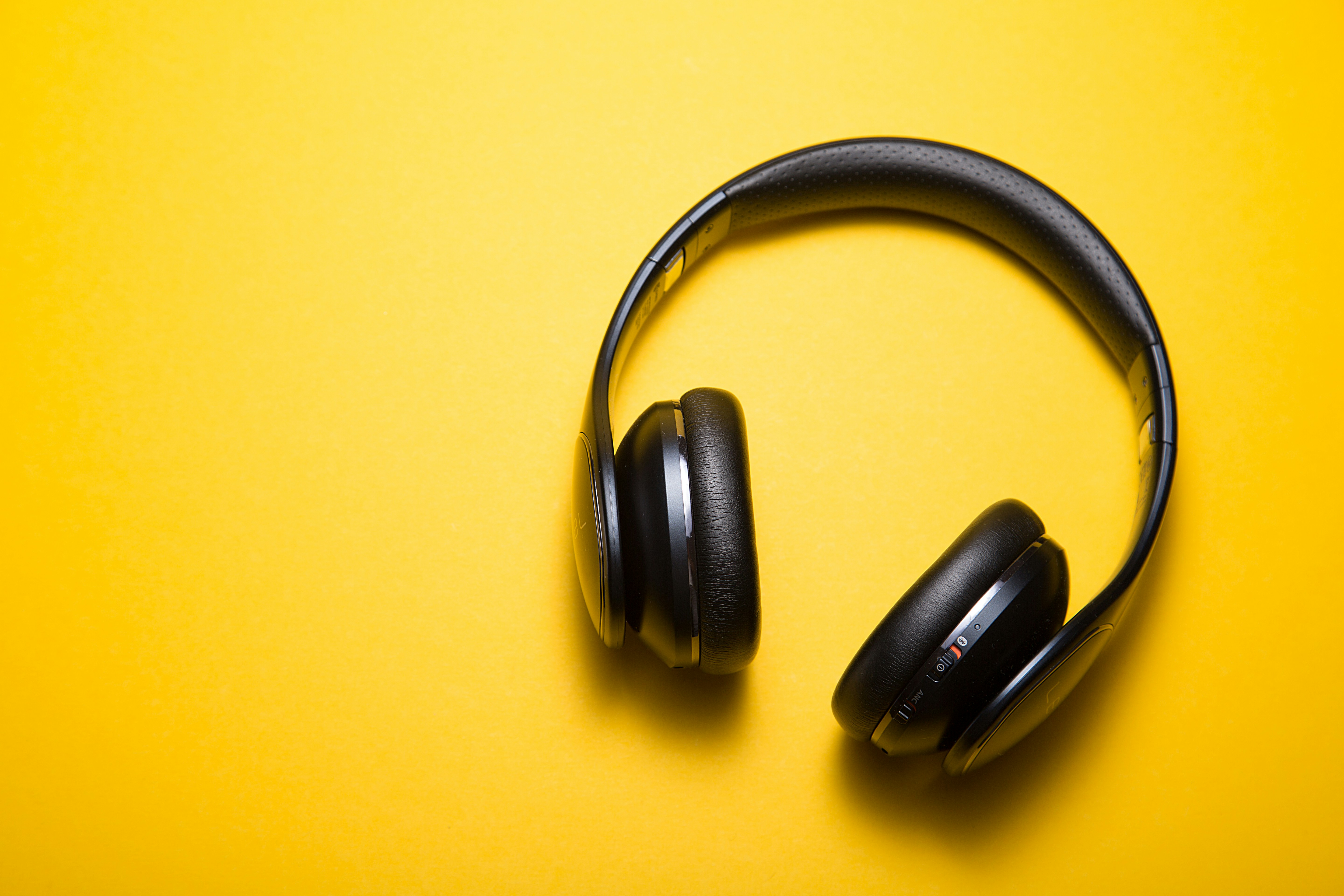
Choosing the best headphones under $50 is less about finding the longest list of specifications and more about balancing sound quality, comfort, reliability, and useful features. Start by deciding how you will use them: commuting, studying, gaming, exercising, or listening at home can all favor different designs. Wired models avoid charging and may offer dependable connections, while wireless headphones provide freedom of movement but need regular charging. Over-ear earcups surround the ears and can feel comfortable during long sessions, whereas on-ear designs rest directly against them and are often more compact. Fit is personal, so consider weight and adjustability as well as appearance.
Noise reduction also varies. Active noise cancellation (ANC) uses microphones and electronic processing to reduce some surrounding sounds, particularly steady low-frequency noise. At this price, its effectiveness can be limited, and it does not necessarily block voices or sudden sounds. Passive isolation comes from the seal and padding of the earcups, without electronic cancellation; a good fit may reduce everyday background noise. Headphones with no noise-cancellation feature can still be suitable in quieter settings, but they offer less help in noisy environments. Consider whether ANC is genuinely useful for your routine before prioritizing it over comfort or sound.
Look beyond advertised battery life: manufacturers’ figures are typically measured under specific conditions, and volume, ANC, and connection settings can shorten real-world listening time. Independent testing and customer reports can help set expectations. Check build quality, including hinges, headband materials, and cable durability, since frequent travel or daily use can expose weak points. A built-in microphone and straightforward buttons or touch controls may be valuable for calls and playback, but reviews can reveal whether they work reliably. Also check the warranty and return policy, which matter if a budget model develops a fault or does not fit comfortably. This ranking draws on independent reviews, manufacturer specifications, and customer feedback to assess overall value, not just feature counts. U.S. prices and availability can change, so confirm current details before buying.
Price context: approximate U.S. regular-price references as of October 2026; retailer pricing and availability can change. Battery figures are manufacturer claims, not independent test results. Wired models have no battery life.
Rank; Headphone Brand and Model; Approximate Price; Type (over-ear, on-ear, wired, or wireless); Battery Life; Noise Cancellation (ANC, passive isolation, or none); Best Use
1; JBL Tune 510BT; about $50; on-ear, wireless; up to 40 hours (manufacturer claim); passive isolation; everyday Bluetooth listening and long battery life.
2; Koss Porta Pro; about $50; on-ear, wired; not applicable; passive isolation; portable listening and listeners who value an open, lightweight fit.
3; Sony MDR-ZX110; about $10; on-ear, wired; not applicable; passive isolation; an inexpensive, foldable option for basic daily use.
4; Panasonic RP-HT161; about $15; over-ear, wired; not applicable; passive isolation; home listening on a tight budget.
5; Logitech H390; about $30; over-ear, wired; not applicable; passive isolation; computer calls, online meetings, and USB-connected work.
6; JLab Studio Pro Wired; about $20; over-ear, wired; not applicable; passive isolation; comfortable wired listening at home or at a desk.
7; Skullcandy Riff 2 Wired; about $20; on-ear, wired; not applicable; passive isolation; straightforward portable listening with a familiar wired connection.
8; OneOdio Pro-10; about $30; over-ear, wired; not applicable; passive isolation; home use, monitoring, and devices with a headphone jack.
9; Philips SHP2500; about $25; over-ear, wired; not applicable; passive isolation; television listening and other stationary use.
10; JVC HA-S160; about $15; on-ear, wired; not applicable; passive isolation; lightweight, low-cost listening while commuting or traveling.
Ranking emphasizes value, useful features, and versatility rather than sound measurements. Prices are approximate regular-price targets, not claims of a verified live offer; confirm the current U.S. price before buying. Passive isolation refers to sound reduction from the earcup or earpad fit, not active noise cancellation. Battery life is listed only for the wireless model and reflects the maker’s stated maximum under its test conditions; actual runtime varies with volume and use.
1. Sony WH-CH520
The WH-CH520 is a lightweight on-ear Bluetooth headphone with a manufacturer-rated battery life of up to 50 hours, USB-C charging, multipoint connection, and sound customization through Sony’s app. Sony does not list active noise cancellation for this model; its on-ear fit provides only passive isolation, so surrounding sounds may remain audible.
Pros: Long claimed battery life, low weight, multipoint pairing, and app-based EQ make it versatile for everyday listening. Its simple controls and compact design add practical value.
Cons: No ANC, limited isolation, and an on-ear fit that may become uncomfortable during extended sessions for some listeners. The battery figure is a manufacturer claim, not an independent measurement cited here.
Best for: Commuters and students who prioritize portability, dependable basic features, and fewer charging interruptions over noise cancellation.
Verdict: It earns the top position for a strong combination of comfort potential, useful connectivity, and unusually generous stated battery life at a budget price. The ranking reflects documented specifications rather than controlled listening or endurance tests; it should not be read as a claim that it outperforms every rival in measured sound quality. Buyers seeking isolation should choose an over-ear ANC option instead.
2. Anker Soundcore Life Q20i
The Q20i is an over-ear wireless model featuring hybrid active noise cancellation, an accompanying app with EQ controls, and a manufacturer-rated battery life of up to 40 hours with ANC enabled or 60 hours with ANC disabled. Those figures are stated by Anker; independent battery results are not asserted here.
Pros: ANC, over-ear coverage, customizable sound, and long claimed runtime offer a feature-rich package for its usual budget tier.
Cons: Noise reduction should not be equated with premium headphone performance, and fit, sound balance, and comfort vary by listener. Its larger design is less portable than the Sony.
Best for: Budget shoppers wanting over-ear headphones and adjustable noise reduction for travel or focused work.
Verdict: Ranked second because it offers more isolation-oriented features, while the Sony’s lighter build and multipoint convenience suit a broader range of daily use. Neither placement represents laboratory testing or treats individual customer comments as controlled evidence; compare current prices and return policies before buying.
#3: Soundcore by Anker Life Q20i
Key features: The Life Q20i is a wireless, over-ear headphone with active noise cancellation, Bluetooth multipoint, and a companion app with adjustable EQ. Its U.S. list price is $49.99, making it eligible for this under-$50 ranking at list price; retailer prices can vary. Anker rates battery life at up to 40 hours with ANC enabled or 60 hours with ANC off. These are manufacturer claims, and actual results depend on volume and use.
Pros: Long rated battery life, useful noise cancellation, and app-based sound customization offer more features than many inexpensive wireless options. Its over-ear design also provides a more substantial fit than compact on-ear headphones.
Cons: Noise cancellation is not equivalent to that of premium headphones, and the Q20i is bulkier than the on-ear pick ranked below. The quoted battery figures are maximum manufacturer estimates, not guaranteed everyday results.
Best for: Listeners seeking feature-rich wireless headphones for commuting, studying, or extended listening without exceeding the $50 limit.
Verdict: The Q20i earns third place for combining ANC, customization, and strong rated endurance at a qualifying U.S. list price. A higher-ranked pick performs better overall in the ranking, but the Q20i is a compelling choice when noise reduction and over-ear comfort matter most.
#4: JBL Tune 510BT
Key features: The Tune 510BT is a lightweight, on-ear wireless headphone with Bluetooth and foldable ear cups. JBL’s U.S. list price is $49.95, so it qualifies just below the price ceiling before taxes; sale pricing may be lower. JBL rates battery life at up to 40 hours and says a five-minute charge provides up to two hours of playback. Both figures are manufacturer claims.
Pros: Its simple controls, portable folding design, and lengthy rated battery life suit everyday listening. It is an uncomplicated option for users who do not need an app or active noise cancellation.
Cons: The on-ear fit may feel less comfortable during long sessions, and this model lacks ANC and the Q20i’s sound-customization features. Its list price also leaves little room under the budget cap.
Best for: Budget-conscious listeners who prioritize portability and straightforward wireless use.
Verdict: The Tune 510BT offers dependable basics, but its simpler feature set places it below the Q20i and the higher-ranked choice.
#5: Soundcore by Anker Life Q20i
The Soundcore Life Q20i is a strong choice for listeners who want over-ear comfort and active noise cancellation without exceeding a modest budget. Its closed-back design and padded earcups provide a more enclosing fit than compact on-ear headphones, though the earcups may feel warm during extended use. The plastic construction keeps the headset light, but it does not feel as premium as more expensive models.
Sound is adjustable through the Soundcore app, including preset and custom equalizer options. The default tuning emphasizes bass, which can suit pop, hip-hop, and video content; listeners seeking a more balanced presentation can adjust the EQ. Hybrid active noise cancellation can reduce steady low-frequency sounds, such as engine or fan hum, but should not be expected to eliminate voices or all travel noise. Bluetooth multipoint supports connection to two devices, and physical buttons handle playback, calls, volume, and noise-control modes. A wired listening option is also available.
Customer feedback commonly appreciates the feature set, battery life, and app-based tuning, while some users mention a bulky fit or noise cancellation that is less effective in changing environments. Those observations are useful context, not proof of uniform results. The Q20i remains worthwhile for buyers prioritizing adjustable sound and basic noise management at an accessible price.
#6: JBL Tune 510BT
The JBL Tune 510BT offers a simpler, lightweight alternative in an on-ear design. Its foldable construction is convenient for storage, while the padded headband and ear cushions keep it portable. Because the cups rest on the ears rather than surrounding them, fit comfort varies; some listeners may prefer it for short commutes, while others may notice pressure during long sessions.
Bluetooth connectivity supports wireless playback and calls, and physical controls provide access to volume, tracks, and voice-assistant functions. There is no active noise cancellation, so the on-ear fit provides only limited passive isolation. JBL’s bass-forward sound can add energy to everyday listening, although it may not suit those who prefer neutral audio.
Buyers often praise its straightforward operation, portability, and dependable everyday battery performance; recurring reservations include the on-ear fit and limited isolation. For under $50, it is a practical pick for uncomplicated wireless listening, especially when compact storage matters more than noise-cancelling features.
#7: Sony WH-CH520
Feature overview: The Sony WH-CH520 is a lightweight, on-ear Bluetooth headphone with adjustable sound through Sony’s app, multipoint pairing, and long advertised battery life. It has no active noise cancellation; its earcups provide only the limited passive isolation typical of an on-ear design. Its regular price can exceed $50, so it belongs in this budget ranking only when a retailer’s current price is $50 or less. Check the final price before purchase, since promotions and availability change.
Pros: Battery life is a practical advantage for commuting, study sessions, and everyday wireless listening. The app’s equalizer offers some control over the sound, while multipoint makes switching between a phone and computer convenient. Its low weight also makes it easy to carry.
Cons: On-ear pads press against the ears rather than surrounding them, which may become uncomfortable during long listening sessions. There is no ANC, and the fit does little to block surrounding noise. The mostly plastic construction also feels less substantial than pricier models.
Best for: Budget-conscious listeners who prioritize battery life, simple controls, and multipoint use in relatively quiet settings.
Verdict: A capable everyday option when discounted below $50, but the on-ear fit and lack of noise cancellation limit its appeal for noisy travel or extended wear.
#8: JBL Tune 510BT
Feature overview: The JBL Tune 510BT is a foldable, on-ear Bluetooth headphone with a bass-forward sound profile and voice-assistant support. It does not have active noise cancellation. Its commonly advertised price has been around the $50 mark, but confirm the live listing and checkout total: it qualifies only when the price is no more than $50.
Pros: The folding design is useful for packing, and the energetic bass suits pop, podcasts, and casual listening. Straightforward controls and wireless convenience make it an uncomplicated choice for school, home, or short commutes.
Cons: The on-ear fit can create pressure over time, and the sound is less balanced than stronger-ranked alternatives. It lacks ANC and offers fewer advanced features; its lightweight plastic build is not especially confidence-inspiring for rough handling.
Best for: Listeners seeking simple, portable wireless headphones for shorter sessions.
Verdict: Consider it only at or below $50. Its portability and lively tuning are useful, but comfort, sound refinement, and limited features keep it lower in the ranking.
#9: Soundcore Anker Life Q20i
The Life Q20i is a strong choice for shoppers who want over-ear wireless headphones with active noise cancellation (ANC) at a budget-friendly price. Its standout feature is flexibility: ANC can reduce steady low-frequency sounds such as bus or aircraft rumble, while a transparency mode lets outside sound through when needed. The headphones also support Bluetooth multipoint, allowing connection to two devices, and Soundcore rates battery life at up to 40 hours with ANC enabled or 60 hours with ANC off. These are manufacturer figures, so actual results vary with volume and use.
Its main compromise is that inexpensive ANC is not equivalent to the noise reduction offered by premium models. It is less effective against voices and sudden sounds, and the earcups provide additional passive isolation simply by covering the ears. ANC is the electronic feature; passive isolation comes from the physical fit. The Q20i typically sells around $50, though promotions and regional prices change. Check the current listing and confirm it is the Q20i, since similar Soundcore models have different specifications. It ranks ninth under the comparison criteria, not because it is necessarily poor quality, but because its noise cancelling and overall refinement have limits.
#10: JLab Studio Pro Wireless
The JLab Studio Pro Wireless is worth considering when the priority is low cost, simple wireless listening, and long advertised battery life. JLab specifies Bluetooth connectivity and up to 50 hours of playback, making it suitable for commuting, study, or travel without frequent charging. Its most compelling reason to buy is straightforward value: it provides an over-ear design without requiring a premium budget, and the cushioned earcups offer some passive isolation.
The key trade-off is that this model does not provide active noise cancellation. Its earcups may soften surrounding sound, but that physical passive isolation is not ANC and will not electronically cancel engine noise. Sound and comfort are also more basic than on higher-ranked options, and fit can vary by listener. It is commonly priced below $50, but check the retailer’s current price and product listing before purchase, as availability and specifications can vary by version. The tenth-place ranking reflects the stated comparison criteria; it does not mean the headphones are unusable. They may suit buyers who want inexpensive wireless headphones and do not need ANC.
Best Headphones Under $50 by Category
The category winners below highlight different priorities, from everyday listening to travel and low-cost wired use. Active noise cancellation (ANC) and battery performance are listed only where the manufacturer provides supporting specifications; comfort and sound quality remain partly subjective.
Best overall — Soundcore Anker Q20i: A versatile over-ear option with wireless connectivity, adjustable sound through the companion app, and ANC at a price that often falls below $50.
Best sound quality — Soundcore Anker Q20i: Its app-based EQ makes it possible to tailor the sound to different preferences, giving it useful flexibility for music, podcasts, and video.
Best noise cancellation — Soundcore Anker Q20i: This model includes active noise cancellation, a feature not consistently available in this price range. Its ANC can reduce steady background noise, though it should not be expected to match premium headphones.
Best battery life — JBL Tune 520BT: JBL rates this wireless model for up to 57 hours of playback, making it a strong choice for listeners who want fewer charging breaks. Actual battery life varies with volume and use.
Best comfort — Koss Porta Pro: Its lightweight on-ear design is easy to carry and may suit listeners who prefer a less bulky headphone. Fit is personal, so the on-ear pads may not work equally well for everyone.
Best for travel — Soundcore Anker Q20i: The over-ear design, wireless operation, and ANC make it a practical companion for commutes and trips. ANC can help with constant ambient sounds, but it does not eliminate all noise.
Best budget option — Sony MDR-ZX110: This simple wired headphone is a low-cost pick for basic listening. It avoids battery concerns, although its compact on-ear design and lack of ANC make it less feature-rich than wireless alternatives.
These choices involve trade-offs: the JBL is strongest on rated playback time, while the wired Sony is the straightforward low-cost option. For quieter travel, the Q20i offers the clearest feature advantage; where its ANC is insufficient, a secure fit and passive isolation are the most practical alternatives.
These recommendations draw on independent headphone testing and reviews, manufacturer-published product specifications, and customer feedback. Independent reviews can help assess practical factors such as comfort, sound, microphone quality, durability, and measured battery performance. Manufacturer information provides a reference for listed features and advertised capabilities, while customer experiences offer context about everyday use and recurring concerns. Individual reports may reflect different expectations, devices, or listening conditions, however. No single source type provides a complete picture, so these picks are intended as informed comparisons rather than guarantees of identical results for every listener.
Prices and availability can change, sometimes quickly, as retailers adjust discounts, inventory, and product listings. The under-$50 eligibility in this guide reflects a U.S. price check at the time of writing; it does not guarantee that a model will remain below that threshold or be in stock when you shop. Before purchasing, check current listings from retailers and confirm the exact model, included accessories, seller, and return policy. Product names may cover multiple versions, and a listing for a newer or older revision may not match the item discussed here. Comparing the final checkout price, including any shipping costs or applicable taxes, can also help clarify whether a headphone still fits your budget.
Battery-life figures deserve similar care. Advertised endurance is typically based on stated testing conditions and may differ from independently tested results or your own experience. Actual playback time can vary with volume, active noise cancellation use, Bluetooth features, call time, and other settings. Treat published figures as estimates, and consult recent reviews when battery performance is especially important to your decision. Consider your priorities alongside price: comfort, fit, controls, sound preferences, and return options may matter as much as headline specifications. Checking current product details and recent customer feedback before buying can help you choose a suitable pair while accounting for changing prices, stock, and product versions.