
As an Amazon Associate, GadgetDealFlow earns from qualifying purchases.
Introduction
The rapid evolution of technology has significantly transformed various aspects of our daily lives, and the realm of audio devices is no exception. In 2026, smart home audio devices have emerged as multi-functional powerhouses that integrate music playback, artificial intelligence (AI) assistance, home automation, and entertainment into a single entity. These devices go beyond mere speakers; they are central hubs that create an immersive auditory experience while functioning seamlessly with other smart home features.
With the increasing popularity of smart home ecosystems, the importance of choosing the right audio device for one’s home cannot be overstated. As a potential user, understanding how various systems interact with one another is crucial in enhancing your audio experience. The synthesis of music, voice command capabilities, and home automation controls allows users to streamline their interactions within the home environment.
As smart home audio technology continues to advance, contemporary devices now offer features such as personalized playlists, voice recognition, and compatibility with various platforms, making them indispensable tools for modern households. Additionally, many of these devices allow for integration with other smart home components, enabling users to control lighting, temperature, and security systems through simple voice commands.
This interconnectedness is what distinguishes smart home audio devices from traditional speakers. Hence, assessing the ecosystem that best suits your lifestyle is essential to ensure a cohesive smart home setup. From high-fidelity sound reproduction to interactive AI-driven assistance, the right choice can elevate your home entertainment experience while simplifying day-to-day tasks.
Top Smart Home Ecosystems
1. Google Home
Best for most households, especially Android users.
Strengths
- Excellent AI-powered voice control and natural language understanding
- Broad compatibility with Matter-enabled devices
- Strong integration with Google services (Gmail, Calendar, Maps, YouTube)
- Easy setup and automation routines
Best Devices
- Google Nest Hub (2nd Gen)
- Nest Audio (Google Audio Bluetooth Speaker)
Ideal For: Android users and families wanting a simple, intelligent smart home.
2. Amazon Alexa
Best for device compatibility and affordability.
Strengths
- Largest smart-home device ecosystem
- Excellent support for third-party brands
- Affordable entry cost
- Powerful Alexa+ automation features
Best Devices
Ideal For: Users building a smart home on a budget or those wanting maximum device choice.
3. Apple Home
Best for privacy and Apple households.
Strengths
- Industry-leading privacy and security
- Deep integration with iPhone, iPad, Apple Watch, and Apple TV
- Local processing for many automations
- Clean, user-friendly interface
Best Devices
Ideal For: iPhone users who prioritize privacy and seamless Apple integration.
4. Samsung SmartThings
Best for advanced automation without complexity.
Strengths
- Excellent Matter support
- Strong automation and scene creation
- Works with many brands
- Built into many Samsung TVs and appliances
Ideal For: Users with Samsung devices or those wanting more advanced automation.
5. Home Assistant
Best for power users and enthusiasts.
Strengths
- Fully local control
- Maximum privacy
- Supports almost every smart-home protocol
- Unlimited customization
Drawback
- Steeper learning curve than commercial ecosystems
Ideal For: Tech-savvy users who want complete control over their smart home.
Quick Recommendation
| If You Use… | Best Ecosystem |
|---|---|
| Android phones | Google Home |
| Mixed brands & budget devices | Amazon Alexa |
| iPhone, iPad, Apple Watch | Apple Home |
| Samsung TVs & appliances | SmartThings |
| Advanced automations & privacy | Home Assistant |
Quick Comparison of Smart Home Audio Devices
As the demand for smart home audio devices continues to rise, consumers are presented with an array of options, each designed to meet varied needs and preferences. Below is a comparative summary of some of the top smart audio devices available in 2026, highlighting their best use cases, voice assistant compatibility, audio quality, smart home features, and display support.
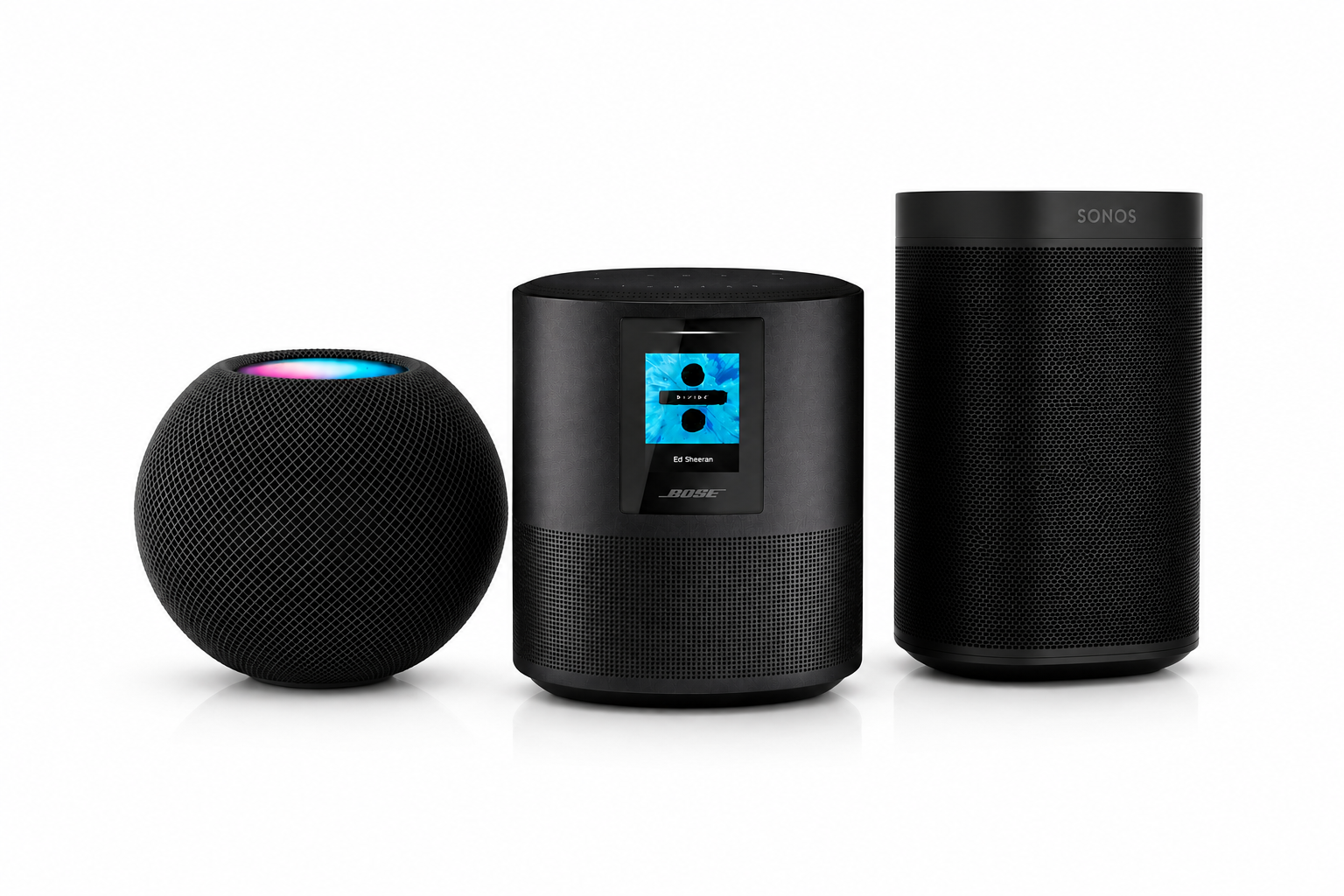
| Device | Amazon Echo Studio | Google Nest Audio | Bose Home Speaker 500 | Sonos One | Apple HomePod Mini |
|---|---|---|---|---|---|
| Best Use Case | Music Streaming | Voice Commands | High-Quality Music | Multi-Room Audio | Apple Ecosystem |
| Voice Assistant | Alexa | Google Assistant | Alexa, Google Assistant | Alexa, Google Assistant | Siri |
| Audio Quality | High Fidelity Sound | Rich Bass | Excellent Audio Performance | Premium Sound Quality | Balanced Audio |
| Smart Home Features | Hub for Zigbee Devices | Seamless Integration with Google Home | Multi-Room Capability | Advanced Multi-Room Features | Home Kit Support |
| Display Support | No Display | No Display | Yes, Touchscreen Display | No Display | No Display |
This table serves as a useful reference for those interested in choosing the most suitable smart audio device for their home. By considering factors such as audio quality, compatibility with popular voice assistants, and integration with other smart home technologies, users can make informed decisions that enhance their listening experiences.
Amazon Echo Show 8
The Amazon Echo Show stands as a significant advancement in smart home audio devices, merging superior audio performance with a vibrant smart display. This device is an ideal choice for users seeking an enhanced multimedia experience, allowing them to enjoy music, stream videos, and manage their smart home from a central hub. The Echo Show comes equipped with the powerful Alexa voice assistant, enabling users to control various smart home devices seamlessly.
One of the key features of the Amazon Echo Show is its high-definition touchscreen, which allows users to visually interact with Alexa. Users can check calendars, view recipes while cooking, or make video calls with friends and family. This makes it particularly suited for kitchen use, where hands-free operation can be especially advantageous. Furthermore, the integration of Alexa means that users can effortlessly control compatible smart home devices, such as lights, thermostats, and security cameras, with just their voice.
When considering the Amazon Echo Show, it is important to weigh its strengths and weaknesses:
- Pros:
- High-quality audio performance, providing clear sound for music and calls.
- Interactive display that enhances user engagement with visual content.
- Seamless integration with Alexa, enabling voice control of smart home devices.
- Ideal for kitchen use, offering recipe displays and hands-free video calls.
- Cons:
- Higher price point compared to standard smart speakers without displays.
- Privacy concerns regarding the presence of a camera and microphone.
- Less portability compared to other Echo devices due to its size and reliance on a power source.
In summary, the Amazon Echo Show stands out as a versatile smart home audio device that combines impressive audio quality and visual functionality. Its Alexa integration significantly enhances the user experience, making it a valuable addition to homes, especially in kitchen and family settings.
Amazon Echo Dot (5th Gen)
The Amazon Echo Dot (5th Gen) stands out as a versatile and budget-friendly smart speaker, ideal for those new to smart home technology. Featuring a sleek design and compact form factor, it seamlessly fits into any lifestyle or room setting without occupying much space.
One of the distinguishing features of the Echo Dot (5th Gen) is its improved sound quality, making it an excellent choice for music lovers. The device includes a 1.6-inch speaker that delivers crisp vocals and enhanced bass, ensuring an enjoyable audio experience. Additionally, it is equipped with Amazon Alexa, which enhances functionality through voice commands, allowing users to control smart home devices, set reminders, inquire about the weather, and much more, hands-free.
In terms of connectivity, the Echo Dot (5th Gen) supports both Bluetooth and Wi-Fi, allowing effortless streaming from various services such as Spotify, Apple Music, and Amazon Music. It is also designed to work with a multitude of compatible smart home devices, ranging from lights and thermostats to security systems, creating a cohesive smart home ecosystem.
Despite its affordable price point, which typically hovers around $49.99, the features and functionality position the Echo Dot (5th Gen) as a leading option for individuals looking to dip their toes into home automation.
Pros of the Amazon Echo Dot (5th Gen) include its compact size, accessible price, and substantial sound quality. On the other hand, some potential drawbacks include limitations in audio fidelity compared to larger smart speakers and the reliance on an internet connection for most functionalities. However, these cons are minor, particularly for beginners seeking an entry point into the realm of smart home audio devices.
Sonos One (2019) Smart Speaker
The Sonos One Smart Speaker is a premium wireless speaker that combines rich, room-filling sound with built-in smart voice control. Designed for music lovers and smart home enthusiasts, it delivers impressive audio quality in a compact design, making it an excellent choice for bedrooms, kitchens, living rooms, and home offices.
One of the Sonos One’s biggest strengths is its seamless integration into the Sonos ecosystem. Users can pair multiple Sonos speakers to create a synchronized multi-room audio system or configure two Sonos One speakers as a stereo pair for an even more immersive listening experience. It can also serve as a rear surround speaker when paired with a compatible Sonos soundbar for a complete home theater setup.
The Sonos One supports both Amazon Alexa and Google Assistant, allowing users to control music playback, manage smart home devices, check the weather, and perform other voice commands hands-free. With support for Apple AirPlay 2, Wi-Fi streaming, and dozens of popular music services, the speaker offers exceptional flexibility for virtually any listening preference. Its humidity-resistant design also makes it suitable for bathrooms and other moisture-prone areas.
However, there are a few considerations before purchasing. Unlike many portable speakers, the Sonos One requires a constant power connection and does not include Bluetooth audio streaming. Additionally, while its premium sound quality justifies the price for many buyers, budget-conscious shoppers may find less expensive alternatives with similar smart features. Even so, for users seeking outstanding sound quality, reliable smart home integration, and an expandable whole-home audio system, the Sonos One remains one of the best smart speakers in its class.
Apple HomePod (2nd Gen)
The Apple HomePod (2nd Gen) exemplifies the company’s commitment to delivering high-quality audio experiences while seamlessly integrating within the Apple ecosystem. As an advanced smart speaker, it is designed to offer not only exceptional sound but also intuitive user interaction powered by Siri, Apple’s intelligent virtual assistant. This speaker stands out for its immersive audio performance, which is achieved through advanced technology, including spatial awareness and a woofer that delivers deep bass notes, making it ideal for music enthusiasts.
One of the key features of the HomePod (2nd Gen) is its compatibility with various Apple devices, including the iPhone and Apple TV. This integration allows users to easily control playback and access streaming services directly from their devices. For instance, users can stream their favorite playlists via Apple Music or control home automation features through Siri, thereby enhancing the overall smart home experience. Moreover, the seamless handoff feature lets users transfer audio from their iPhone directly to the HomePod effortlessly, which highlights the synergy within Apple’s product ecosystem.
Despite its many advantages, the HomePod (2nd Gen) does come with some drawbacks. One notable downside is its price point, which may be considered high compared to other smart speakers in the market. Additionally, users who are not deeply embedded within the Apple ecosystem may find that the speaker’s full capabilities are underutilized. Ultimately, potential buyers should weigh these factors against their specific needs and preferences to determine if the Apple HomePod (2nd Gen) is the right choice for enhancing their home audio experience.
Sonos Era Audio Device
The Sonos Era represents a significant advancement in the realm of smart home audio devices. Known for its exceptional sound quality, the Era is designed to cater not only to audiophiles but also to families who desire impressive audio performance throughout their homes. With the era, users can expect clarity and richness often associated with high-end audio equipment.
One of the key features of the Sonos Era is its versatility in audio setups. The device can easily integrate into existing Sonos systems, allowing for a seamless multi-room audio experience. Users can enjoy music in any room with synchronized playback or choose to have different audio streams in separate spaces. This is particularly beneficial for households with diverse musical tastes, where one person may prefer upbeat tunes in the kitchen while another enjoys a podcast in the living room.
The Sonos Era is also equipped with advanced wireless technology, ensuring a stable connection to the home network and enabling control via various smart home platforms, including voice activation. Additionally, its sleek design complements any decor, making it a stylish addition to the home environment.
However, it is important to consider both the advantages and disadvantages of the Sonos Era. While its premium audio capabilities and versatility are commendable, the price point may be a barrier for some consumers. Furthermore, audiophiles may find it lacking compared to standalone high-fidelity speakers. Nonetheless, for those who prioritize multi-room setups and smart home integration, the Sonos Era stands out as a strong contender in the smart audio market.
Real-World Buyer Guide
When selecting the ideal smart home audio device, personal requirements play a significant role. Different users have diverse needs, from music enthusiasts seeking high-fidelity sound to families desiring versatile options that suit everyone. This guide aims to assist you in navigating these choices effectively.
For music aficionados, consider investing in devices renowned for their audio quality. Options like the Sonos One and the Apple HomePod serve well, with rich sound reproduction and compatibility with various streaming services. Such devices not only cater to high-definition audio formats but also integrate effortlessly into multi-room setups, allowing for a cohesive listening experience throughout your home.
If you are an Apple user, the Apple HomePod or the HomePod mini represents the best choices, offering seamless integration with Apple Music and HomeKit features. These devices facilitate easy voice-controlled commands via Siri, thus making them perfect for users deeply entrenched in the Apple ecosystem. Furthermore, they retain a stylish aesthetic that can match well with any home decor.
For families, the Amazon Echo devices emerge as suitable options due to their versatility. The Echo Dot and Echo Show provide access to a variety of content while incorporating smart home functionalities, which can keep everyone entertained. Additionally, they come equipped with parental controls that ensure safe usage amongst children, making them an attractive choice for households.
Those residing in small apartments may prioritize compact devices like the JBL Link Portable or the Google Nest Audio. These models offer great audio performance while taking up minimal space. Their portability allows for ease of mobility, making it simple to move them from one room to another.
Lastly, budget-conscious consumers should explore the numerous affordable options available, such as the Amazon Echo Dot or the Lenovo Smart Clock. These devices deliver substantial quality without straining your financial limits, appealing to first-time smart home users looking for basic audio functions.
Final Verdict
As the smart home audio market continues to expand, selecting the right device to enhance your listening experience can be quite challenging. After evaluating a range of devices based on performance, features, and value, we can categorize them into distinct sections to aid your decision-making process.
For the best overall smart home audio device, the Sonos One stands out. It delivers a fantastic blend of superior sound quality and smart features, making it an excellent choice for most users. Its compatibility with various streaming services and voice assistants enhances its appeal in any smart home ecosystem.
If you are looking for best value, consider the Amazon Echo Dot Max. It presents impressive sound performance at an affordable price while also serving as a hub for smart home devices, making it a versatile addition without straining your budget.
For those who are devoted Apple users, the best for Apple users is undoubtedly the HomePod mini, which integrates seamlessly with other Apple products. Its compact design does not compromise on sound quality, proving to be an excellent option for Apple-centric smart homes.
For those prioritizing audio fidelity, the best for premium audio is the Devialet Phantom. Its stunning sound quality and striking design will appeal to audiophiles seeking an unparalleled listening experience.
In summary, when selecting a smart home audio device, consider your specific needs and preferences. Each of these options caters to various requirements, ensuring you find the best fit for your home environment. You can also read our “Comparing The Amazon Echo Dot & Apple HomePod: Which Is Better?” for more comparisons.